
We offer you privileged access to a gold asset sourced from West and East Africa — regions that combine exceptional geological richness, emerging production growth, and considerable appreciation potential. This type of gold not only represents a traditional store of value, but also provides the opportunity to capture additional margins by entering at key stages of the value chain (extraction → refining → certification → commercialization).
Your investment will be backed by full origin documentation, traceability, refinement towards bankable standards, and logistics structures fully aligned with global market requirements. It is an opportunity to take part in a rapidly expanding industry, with controlled risk, significant impact, and attractive returns in a world seeking to diversify its precious asset portfolio.

The Gold Evolution: From Lucrative Investments to Timeless Luxury
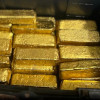
Gold Bars & Gold Nuggets
Gold bars and gold nuggets are refined forms of gold, specifically intended for investors. IBTN ensures that all gold products have a minimum purity of minimum 92% (minimum 22 karats), making them a reliable option for those seeking secure assets.
Applications
Gold bars and gold nuggets serve various investment and industrial purposes:
Investment: Highly sought after by investors looking for stable and tangible assets.
Jewelry Manufacturing: Used by goldsmiths to create high-quality jewelry.
Industrial Uses: Applied in specialized industries requiring pure gold components.
Production
IBTN sources its gold through artisanal mining, refining it into bars and nuggets while maintaining strict quality standards. Each product is verified for authenticity and purity, ensuring a trustworthy investment.
Gold bars and gold nuggets from IBTN provide a secure and ethical choice for investors who value high purity and responsible sourcing.

Gold dust & Gold powder
Gold dust and gold powder are finely ground forms of gold obtained through artisanal methods. These traditional techniques, such as panning and sluice systems, use simple, environmentally friendly processes without large-scale chemical treatments.
Applications
Gold dust and gold powder are used in various sectors:
Jewelry sector: Used for gilding and exclusive jewelry.
Electronics: Applied in high-quality connectors and switches.
Cosmetics: Incorporated into luxury skincare products.
Gastronomy: Edible gold powder is used for decorative purposes in exclusive foods.
Extraction
IBTN exclusively employs artisanal gold mining, extracting gold from alluvial deposits with respect for the environment and the communities involved. This ensures an ethical and sustainable supply chain.
Gold dust and gold powder remain valuable raw materials with a wide range of applications, where origin and purity are essential to market value.
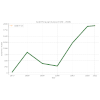
The lasting power of gold
The gold price has seen major fluctuations over the past few decades, with a notable increase since 2000. Several economic, geopolitical and technological developments have contributed to this.
Economic uncertainty
Gold has traditionally been seen as a safe haven in times of economic instability. The global financial crisis of 2008, rising inflation and monetary easing by central banks have significantly increased the demand for gold.
Geopolitical changes
Geopolitical tensions, such as trade wars and international conflicts, have increased the appeal of gold as a neutral store of value. In addition, countries such as China and Russia are actively working on de-dollarization, which has increased the demand for gold as a reserve currency.
Influence of technology
The introduction of Central Bank Digital Currencies (CBDCs) can also influence the gold price. These digital currencies increase government control and can cause inflation or negative interest rates. This keeps gold attractive as a tangible and reliable alternative.
Future prospects
Although the future remains uncertain, trends point to gold’s continued role as a stable investment. Whether it’s protecting against inflation, hedging geopolitical risks or providing certainty in a world of digital currencies, gold remains an essential part of a balanced strategy.
IBTN is here to help you benefit from the value and stability of gold. Contact us to learn more about our products and services.
Additional Information…
💎 Difference Between Doré Gold and Bankable Gold
In the international gold market, there are two fundamental categories: Doré Gold and Bankable Gold. Both represent distinct stages within the value chain of this precious metal, yet their difference is key to understanding the commercialization process and their value in the market.
🪙 Doré Gold (Doré Bullion): Gold in Its Natural State
Doré gold is a semi-pure alloy composed mainly of gold and silver, obtained directly from mining activity. It is melted into bars or ingots of variable purity, usually ranging from 60% to 95%, depending on the composition of the extracted ore.
These bars are the first step in the refining process and are sold to authorized refineries for further purification and certification. Their value is calculated based on the actual fine gold content and, therefore, is traded below the international spot price.
📍 In short: Doré gold is “newborn” gold — not yet bank-certified, but with high potential value.
💰 Bankable Gold: Refined and Certified Gold
Bankable gold is the result of refining doré gold in certified refineries that meet international standards such as those of the London Bullion Market Association (LBMA). Its purity reaches between 99.5% and 99.99%, and it is produced in bars with a serial number, refinery stamp, and complete traceability documentation.
This type of gold is fully legalized, can be stored, sold, or transferred through the international financial system, and is traded at the official global market price.
📍 In other words: Bankable gold is “mature” gold — fully traceable, legal, and financial.
⚖ Comparative Summary
| Characteristic | Doré Gold | Bankable Gold |
|---|---|---|
| Purity | 60 – 95% | 99.5 – 99.99% |
| State | Semi-pure (alloy) | Refined and certified |
| Origin | Artisanal or industrial mining | International refineries |
| Documentation | Limited or in process | Complete and verifiable |
| Commercial value | Below international price | At international price |
| Use | Sold to refineries | Investment, custody, or bank export |
✨ Conclusion
Doré gold represents the origin of mineral wealth, while bankable gold embodies its maturity and legitimacy in global markets. Both are essential parts of the gold value chain, but only bankable gold holds financial status and international certification, enabling secure, legal, and highly profitable operations.
The Gold Value Chain: From Ore to the Global Market
Gold undergoes multiple processes before becoming a globally recognized financial asset:
1️⃣ Extraction (industrial or artisanal mining)
2️⃣ Initial smelting → produces Gold Doré
3️⃣ Purity analysis (fire assay, spectrometry, etc.)
4️⃣ Certified refining → produces Bankable Gold
5️⃣ Certification and traceability (origin documents, taxes, custody chain)
6️⃣ Commercialization through banks, vaults, and metal exchanges
📌 Each step increases the gold’s value and its eligibility in financial markets.
🌍 International Regulations and Compliance
Bankable gold is globally accepted because it complies with:
✔ LBMA standards (purity, form, registration)
✔ AML/CFT regulations (anti–money laundering and counter-terrorism financing)
✔ Due diligence on lawful origin (avoiding illegal or conflict mining)
✔ Tax and customs certification
✔ Environmental and social traceability
⚠ Doré gold is more exposed to reputational risks: uncertain origin, lack of environmental or labor controls, smuggling, and related issues.
⚖ Taxes, Price, and Discounts
Doré gold is not traded at the spot price because:
- Its purity is neither exact nor guaranteed
- Refineries must deduct refining costs
- It may contain unwanted metals
🔹 Price of Doré = (Fine Gold Content × Spot Price) − Deductions for Refining and Risk
Bankable gold, on the other hand, is paid at the full international price.
🔒 Security and Custody
| Product | Transport | Risk | Custody |
|---|---|---|---|
| Gold Doré | High (no standardized registration) | Theft, legal loss, smuggling | Industrial warehouses |
| Bankable Gold | Low to medium (certified and traceable) | Minimal legal risk | Banks, international vaults |
Bankable gold can be stored in certified vaults such as Brinks, Loomis, and others.
🧾 Added Value for Buyers and Investors
Gold Doré ✅ — attractive to refineries
• Greater potential profit margin
• High demand in emerging markets
Bankable Gold ✅ — attractive to investors
• Immediate liquidity
• Recognized financial asset
• Can back loans, guarantees, and reserves
🌱 Environmental and Social Responsibility
Today, the gold industry — especially for Doré gold — must ensure:
- No origin in illegal mining
- Safe labor conditions
- No impact on Indigenous communities or protected areas
- Proper environmental closure and mitigation
Certifications such as Fairmined and Responsible Gold Guidance increase the metal’s value in Europe and North America.
📌 Extended Summary
| Aspect | Gold Doré | Bankable Gold |
|---|---|---|
| Global acceptance | Limited | Total |
| Use | Raw material for refining | Financial asset |
| Risk | High | Low |
| Business volume | Industrial and mining | Banking and investment |
| Profitability | Increases after refining | Stable and transparent |
Gold Doré is the origin. Bankable Gold is the culmination — legal, certified, and with maximum financial value.